
Integrated Tech Stack for Course Creators: The Systems Audit You Haven’t Run
Published Date:
03 Mar, 2026
Updated Date:
21 Aug, 2026
You already have an integrated tech stack running your course or membership business. Here's what's probably broken inside it, and why nobody's caught it yet.
Most course and membership tech stacks are connected, but no one's watching all of it. This audit shows what's breaking before it costs you a launch.
TL;DR
Most course and membership businesses have an integrated tech stack, but no one is actively watching all of it at once. The breakage rarely looks dramatic. A form stops submitting. An automation stalls without an error message. A checkout fails mid-launch and nobody notices until a student emails asking why they can't get in. This tech stack audit walks through the systems that make up your stack, gives you a way to check your own exposure this week, and shows what changes when someone actually owns the whole thing.
The stack got built one problem at a time. Nobody built it to be watched.
Most operators in this space didn't design their integrated tech stack. They assembled it. A CRM to handle leads. An LMS when the course launched. A payment processor when the first cart needed a checkout. An automation platform because someone read a blog post about it.
Each piece solved a real problem at the time. None of them were chosen with the others in mind.
That's not a mistake. It's just how growing businesses actually build. The problem shows up later, when the business has outgrown casual maintenance but the stack is still being managed the way it was at half the size: reactively, one broken thing at a time, usually by whoever notices first. A few patterns show up constantly once businesses reach this size.
Which of these sounds like your week?

The one where growth has stalled and nobody's sure why. Content is strong, the audience is real, and revenue still isn't moving. The instinct is to blame the offer or the messaging. Often the real answer is sitting in analytics nobody's checked in months, or in a maintenance and hosting budget that's grown without anyone tracking what it's actually buying.
The one where a single person holds the whole map. A VA or OBM knows where every integration lives and what breaks if it's touched. That's not a compliment to their skill, it's a real risk sitting on the business. If they're out for two weeks, so is a working knowledge of half the support systems students and customers depend on.
The one where every launch has a moment of panic. Three to six times a year, something breaks mid-launch: a tag doesn't fire, an email sequence misfires, a checkout fails at the worst possible hour. The team has started expecting it, which is its own problem. Here's a simple test: if that happened to one in twenty visitors tomorrow, would your team catch it before a student did?
The one where the brand has outgrown the backend. A book deal, a bigger stage, more media attention, and suddenly the website and systems behind it look like they belong to an earlier version of the business. Closing that isn't just a design problem. It's a rebuild worth pricing out honestly, not guessed at.
If more than one of these landed, that's normal. They tend to travel together.
The Tech Stack Audit: 12 Systems Worth Checking This Week
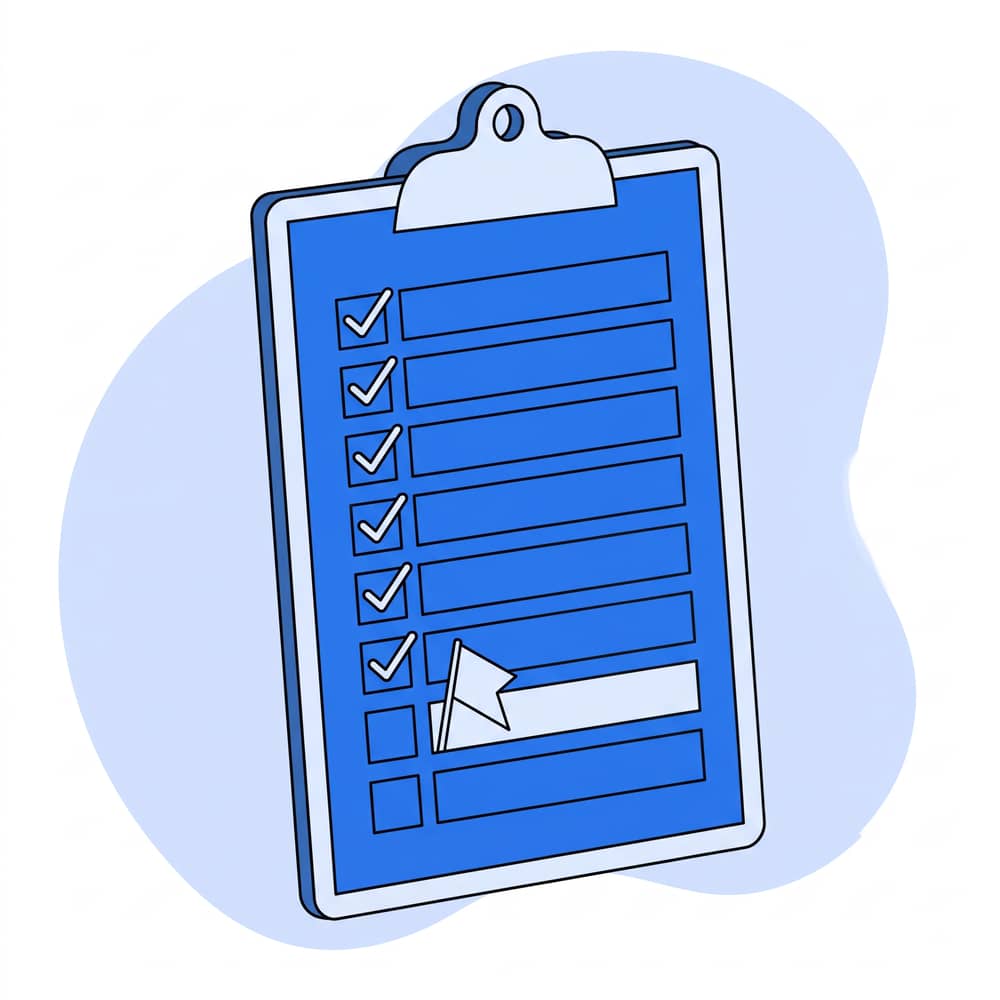
Before anything else, here's the actual inventory. This is a condensed version of the same audit our team runs during onboarding, built so you can run a rough version yourself today.
Website / CMS. Is anything on it more than a year out of date?
Hosting and infrastructure. Do you know your last successful backup date?
Email and automation. Has anyone tested the full sequence end to end recently, not just glanced at open rates?
LMS or course platform. Do students ever get stuck at access or login?
CRM and scheduling. Do leads ever go in and never resurface?
Payment and subscription systems. Has a failed transaction ever gone unnoticed for more than a day?
Community or membership platform. Would you know if access broke for a segment of members?
Content and collaboration tools. Is anyone the single point of failure for how these are set up?
Analytics and tracking. Is your tracking clean enough that you'd trust a decision based on it?
Customer support tools. Do tickets ever sit long enough that someone escalates on their own?
Accounting and finance. Does your bookkeeper ever wait on data from three other systems?
Workflow and integration tools. How many of your automations have you actually tested since you built them?
Twelve systems, and in most businesses this size, one person has real visibility into maybe three or four of them. That mismatch, more than any single broken tool, is the real finding here.
What a Real Integrated Tech Stack Looked Like Before Anyone Was Watching It
One of our clients, Lori Williams, was spending more than 10 hours a week on tech problems that had nothing to do with teaching. That time wasn't going to content, students, or the parts of the business only she could do.
After the stack was mapped and brought under active management, that time moved back into teaching and content. Read Lori's full story.
The pattern is common enough to name directly: the hours lost to tech friction are never actually recovered by working harder. They're recovered when someone else owns the watching.
What Changes When Someone Actually Owns the Whole System
Operational ownership means an integrated tech stack that's actively watched end to end, not just patched when something breaks.
A hosting plan or a basic care plan covers a narrow slice: updates, backups, maybe uptime. That's real, and it's worth having. It's also not the same as someone watching the full system.
It means a team is testing your funnels on a schedule, watching your automations for silent failures, and sending you a monthly picture of what's actually happening, before a customer has to tell you something's wrong. That's the difference between reactive support and a managed layer: it waits for the ticket. This one is already looking.
A few things that don't count as ownership, even though they get sold that way: a VA doing double duty as your unofficial tech lead, a hosting company's plugin updates, or a freelancer who fixes the one thing you flagged and disappears until the next fire. Each of those solves a symptom. None of them watch the system.
How to Tell a Partner Is Actually Covering the Whole Stack
A few questions worth asking before you commit to anyone:
Do they support the platforms beyond your website, or just the website itself? Can they actually talk to your other tools' support teams instead of routing everything back through you? Do they test things on a schedule, or only when something's already broken?
If the honest answer to any of those is "I'm not sure," that's exactly what this tech stack audit is built to catch.
Two Ways to Act on This
This week: run the checklist above with whoever currently touches your tech day to day, even if that's just you. Most operators find at least two systems they haven't checked in months.
If what the audit turns up looks bigger than a weekend project, that's the conversation worth having.
FAQ
Is this different from a website care plan?
Yes. A care plan covers the site itself: updates, backups, basic uptime. It doesn't extend to your CRM, LMS, payment system, or automations, which is usually where the actual breakage happens.
What if my VA already handles most of this?
Then she's carrying real risk on your behalf, whether either of you has named it that way. This isn't about her skill. It's about the business not having a system that survives her being unavailable.
Do I need to be running frequent launches for this to matter?
No. Launch businesses feel it fastest because the stakes are visible in the moment. Membership and evergreen businesses lose the same ground more slowly, through leads that go nowhere and automations that stopped working months ago.
How long does an audit like this actually take?
The version above is a starting point you can run today. A full audit, done by a team that knows what to look for across all 12 systems, usually takes about a week.











0 Comments