
How You Can Improve Landing Page Conversion Rates Without Rebuilding the Whole Page
Published Date:
02 Jun, 2026
Updated Date:
02 Jul, 2026
You are doing everything right, and still the conversions are not where they should be. Traffic is coming in, and yet your landing page conversion rates continue to fall short of expectations. That gap between effort and results can feel frustrating, especially when it is not clear what needs fixing.
The issue lies in the landing page experience itself.
In this article, you will learn how to increase landing page conversions without starting over, how to use a structured approach that helps you identify what to change, what to keep, and how to build a landing page that converts more consistently.
The truth is, you do not need a brand new landing page that converts; you simply need a way to make the one you already have work for you. This matters more than most people realize because even a 10% increase in conversion rate can compound into significantly more leads and sales over time, especially as your traffic scales.
Stop Defaulting to Full Landing Page Redesigns
When performance dips, the instinctive reaction is to rebuild a new system that will yield the desired results. You may change the layout and rewrite the copy, and when that doesn’t work, the visuals are replaced. All of that is an attempt to fix the underlying issue.
It feels productive because it seems like a change in the right direction and gives the illusion of progress, but in reality, this approach creates more confusion than clarity.
A complete redesign makes it difficult to understand what was working in the first place, and by default makes it harder to know what wasn’t working.
By introducing multiple changes at once, you lose the ability to isolate variables, which means any improvement or decline in performance becomes harder to explain. At the same time, consistency across your funnel begins to break down, and you risk seeing conversion rates drop without a clear reason why. In effect, every rebuild resets your data, forcing you to start from scratch again.
Get Free Guide To Create Amazing Landing Pages
The Smarter Alternative
Instead of rebuilding the entire landing page, a better way to attain a high-converting landing page is to step back and work from a position of clarity and control. This means relying on an already existing structure that’s proven to work and testing one element at a time. By making measured changes and observing their impact, you create a system that produces consistent insights. This is how high-performing teams steadily improve landing page conversion rates over time.
What Actually Improves Conversion Rates During Landing Page Optimization
The biggest shift to understand is that making small changes will lead to better results. Long overhauls hide what is working because it creates a new system with its own flaws that you have to manage without prior information. Small changes, on the other hand, are akin to you holding a magnifying glass and observing the problem line by line to see what the problem is.
The Elevated Advisors Experience
A company called Elevated Advisors was spending between $30,000 and $45,000 per month on ads. They made one seemingly harmless change, a simple form switch from a dropdown to checkboxes.
That single change increased their cost per lead by 200 to 300%. When they reverted the change, performance normalized within a week.
Note: Even the smallest UX changes can dramatically optimize landing page performance. That is why every change must be intentional and isolated enough to monitor the changes made, with the results tracked meticulously. That is how you build a landing page that converts over time.
Build a High-Converting Sales Funnel Faster

Map out a complete funnel designed to improve your landing page conversion rates and turn more visitors into qualified leads and sales.
A Simple Testing Process That Eliminates Guesswork
Landing page optimization does not need to feel technical or overwhelming. What matters most is having a clear structure, a way to carefully analyse what works and what doesn’t work. Without that structure, mistakes are more prevalent because it becomes easy to rely on assumptions instead of actual performance.
A simple tracking framework is often enough to create that clarity. Every time you make a change, you should record a few key details so that results can be properly understood and compared over time:
The date of the change
What exactly was changed
The resulting conversion rate
This level of tracking alone puts you ahead of most creators, because it allows you to connect specific actions to measurable outcomes.
When it comes to testing, two reliable approaches can guide your decisions:
A/B testing and sequential testing.
A/B testing allows you to split traffic between two versions of a page and compare performance side by side, while sequential testing involves making a single change and evaluating performance before and after the update. Both methods are effective when used consistently, and the real advantage comes from sticking with one approach long enough to gather meaningful data.
As you measure results, it is important to focus on the right benchmark.
Your primary benchmark should be: Conversion rate = leads ÷ visitors
Conversion rate is often the clearest signal when optimizing a landing page that converts. While cost per lead is important, especially when running paid traffic, conversion rate provides a more direct view of how well the page itself is performing.
What to Log Every Time You Make a Change
Document these changes in detail to make the process more reliable:
Page name
Date
Exact edit
Traffic volume
Conversion rate before and after
Notes about campaigns or context
When this information is consistently recorded, it becomes much easier to spot what works perfectly and what doesn’t.
How to Improve Landing Page Performance

Not every part of your landing page carries the same level of relevance, which means trying to optimize everything at once is not effective. If you want to improve landing page conversion rates efficiently, the key is to focus on the areas that have the greatest impact first and work your way down from there.
Hero Section
First, focus on this part of the page because it shapes your visitor’s first impression. The hero section includes your headline, subheadline, and a clear call to action above the fold. The goal here is for your message to stand out and hold attention immediately, while clearly communicating the core benefit. This is often where the most significant gains can be made, because even small improvements in clarity can dramatically increase how the reader engages with your core message.
The Point Where Friction Shows Up
From there, your attention should move to the form, which is one of the most common sources of friction on a page. The way your form is structured can directly influence whether someone completes the action or abandons it.
Key elements to evaluate include:
Number of fields
Field types such as dropdowns, checkboxes, or text inputs
Button copy and placement
Even a small adjustment, such as changing how a field is presented, can have a noticeable impact on performance.
Making the Value Immediately Clear
Once the structure of the page is functioning smoothly, the next layer to refine is the copywriting. The copy should immediately outline what the benefit is without being bogus. Clarity is emphasized over buzzwords and new features. Let your readers see the solution being offered at first glance.
Supporting Credibility and Trust
Visual elements should be reviewed with the same level of intention. Images and design choices should support clarity and push towards trust. Your visuals should explain your offer and build your credibility while creating a connection along the way. Your designs should never just be decorative.
Footer Elements
Finally, footer elements such as testimonials, frequently asked questions, social proof, and reassurance sections are the areas to focus on last. They exist to provide additional validation for customers, so it should not be your starting point when trying to improve performance.
By focusing on these areas in order of impact, you create a more structured and effective path to building a landing page that converts, without the need to redesign everything at once.
For course, membership, and expert-led businesses
The Compass
What keeps the systems behind expert-led businesses running, and what quietly stops working
Patterns, decisions, and new resources on running connected systems for expert-led businesses. No filler, no noise.


Tracking Matters for Landing Page Conversion Rates
Without proper tracking, the landing page optimization process quickly becomes driven by opinion rather than evidence. To improve conversion rates, you need to look at the data to see what’s performing well and what’s performing poorly.
At a minimum, you should be tracking a few core actions that reflect user behavior on your page:
Page traffic
Form submissions
Button clicks
Completed conversions
The specific tool you use is less important than how consistently you use it. Platforms like GA4 or other analytics tools can provide the insights you need as long as they are set up correctly and used regularly.
When tracking is in place, it creates a level of clarity that removes much of the uncertainty from optimization. You can see exactly why performance changes and make updates based on that information. All of this helps you scale the elements that are actually working.
Share This Landing Page Checklist With Your Team
Create a Benchmark Landing Page Layout
One of the most effective strategies for improving performance is also one of the simplest: build on what already works. Create a benchmark layout instead of constantly reinventing your pages.
What Is a Benchmark Layout
A benchmark layout is your best-performing landing page structure. It is not just a design you like, but one that consistently produces strong results. This becomes your reference point for what a landing page that converts should look and feel like across your business.
Why This Matters
Working from a benchmark layout saves time and removes unnecessary complexity. It creates consistency across your pages and protects what is already working; that way, you don’t have to do constant redesigns with uncertainty. Instead of starting from scratch each time, you are building on a proven foundation.
How to Find Your Benchmark Layout
To identify your benchmark, start by reviewing all your existing landing pages and ranking them by conversion rate. Once you have identified your top performer, take time to study its structure closely, including how the sections are organized, how the message flows, and how the call to action is presented. This page becomes your starting point for future optimization.
How to Validate It
Validation comes from applying that same structure to a weaker page and measuring the results. If the conversion rate improves after introducing the layout, then you have clear evidence that the structure itself is contributing to better performance. This removes guesswork and gives you a reliable model to build from.
Why 1–3 Layouts Are Better Than Endless Variations
Limiting yourself to one to three core layouts makes your pages easier to manage and simpler to optimize over time. That way, you’re creating a more consistent brand experience for your audience. Rather than constantly creating new variations, you refine and improve what already works. Functional systems lead to steady and predictable growth.
The Optimization Cycle To Increase Landing Page Conversions
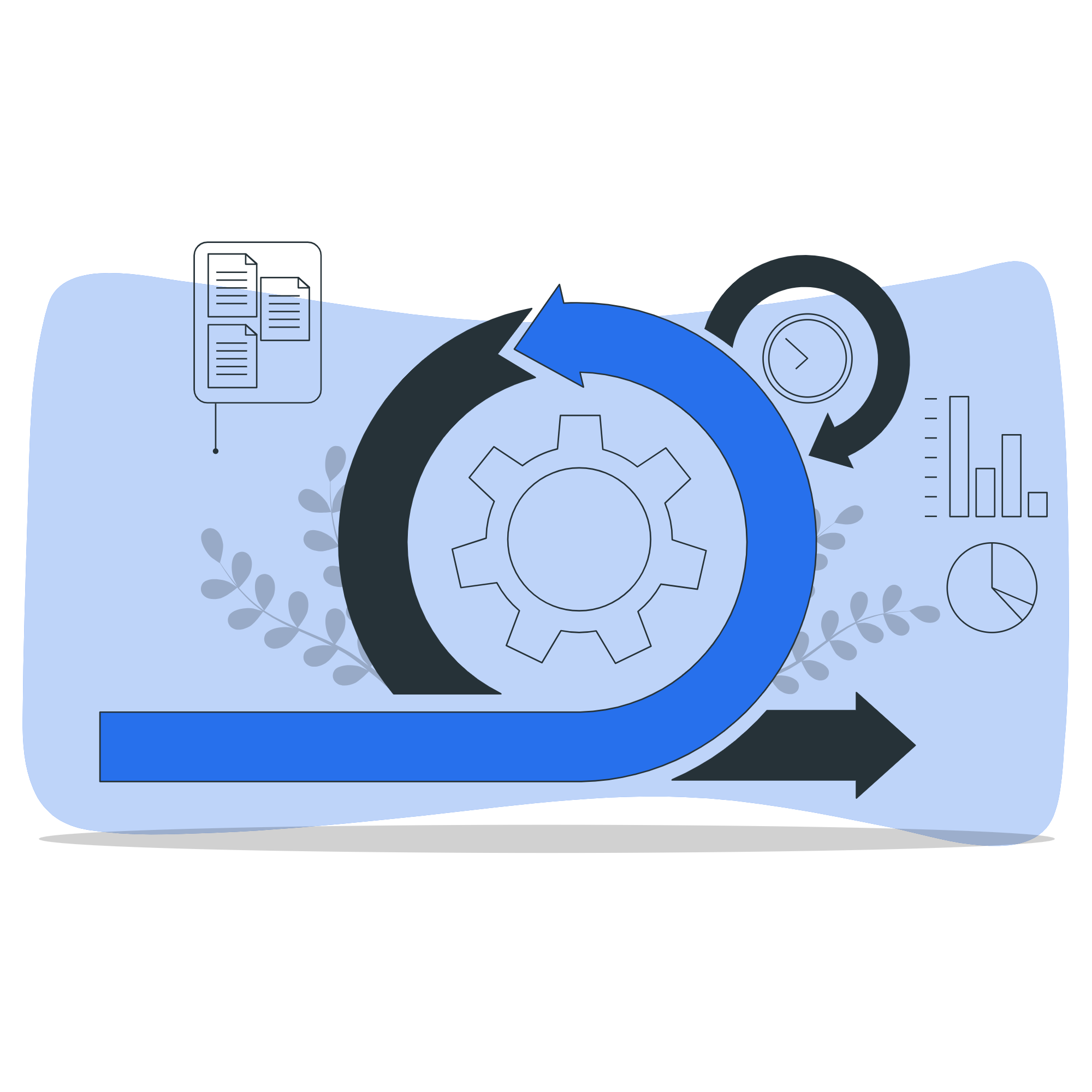
Improving landing page conversion rates is not something you do once and move on from. It works best as an ongoing cycle that builds momentum over time. Each step informs the next, creating a process that becomes more effective the longer you stay consistent with it.
Test
Measure
Learn
Improve
Repeat
When you follow this rhythm, improvement leads to steady growth.
What keeps the systems behind expert-led businesses running, and what quietly stops working

Subscribe to The Compass
The Compounding Effect
Even a modest increase in conversion rate can have a lasting impact. A 10% increase today continues to pay off as your traffic grows, your campaigns scale, and your offers expand. What starts as a small gain becomes a meaningful driver of long-term results.
The Reassurance Most People Need
There is no need for dramatic changes or constant reinvention. In most cases, slow and measured iteration produces more reliable outcomes. By making thoughtful adjustments and learning from each one, you create a stable path to more consistent conversions.
What to Do This Week to Improve Conversion Rates
If you are ready to take action, the focus should be on making simple, intentional improvements rather than rebuilding your entire page. By approaching changes with clarity and structure, you can begin to see meaningful results without unnecessary complexity. Small, well-tracked adjustments often reveal more than large overhauls, especially when they are made consistently. This is how steady, reliable progress begins to take shape over time.
Download the High-Converting Landing Page Checklist
Your Weekly Optimization Checklist
Document all current landing pages
Record each page’s conversion rate
Identify your top-performing page
Treat it as your benchmark layout
Apply its structure to a weaker page
Choose one element to test first (headline, form, or CTA)
Track the change carefully
Measure results before making another change
Repeat with one variable at a time
A Better Way to Improve Conversions
You do not need to redesign your page every time results dip. What you need instead is a structured optimization process that helps you make better decisions over time.
When you approach landing page conversion rates this way, the benefits become clear. You reduce risk, gain clearer data, create more stable growth, and make better use of what is already working instead of starting from scratch.
Perhaps most importantly, you regain a sense of control. Instead of reacting to performance, you are guiding it with intention.
Better conversions come from smaller, well-measured decisions that build on each other.
Get Help Optimizing Your Course and Membership Landing Pages
If you want support in improving your landing page performance, there is a smarter way to do it without guesswork. The right partner helps you focus on what actually moves the needle, while giving you a clear process you can rely on.
This includes knowing what to test first, setting up clean and reliable tracking, validating your benchmark layout, and steadily improving your landing page conversion rates over time.
At The Digital Navigator, the focus is on making this process simple, structured, and sustainable so you can build a landing page that converts with confidence.
If you want a practical starting point, you can begin with our guide that shows you how to create an amazing landing page and walks you through the exact elements to review and optimize without needing to rebuild your entire page.
If that kind of support would help you move faster with more clarity and confidence, it may be worth exploring what working together could look like.











0 Comments